
Shipping from Multiple Suppliers in China: Consolidation Costs, Warehouse Process and Delivery Planning
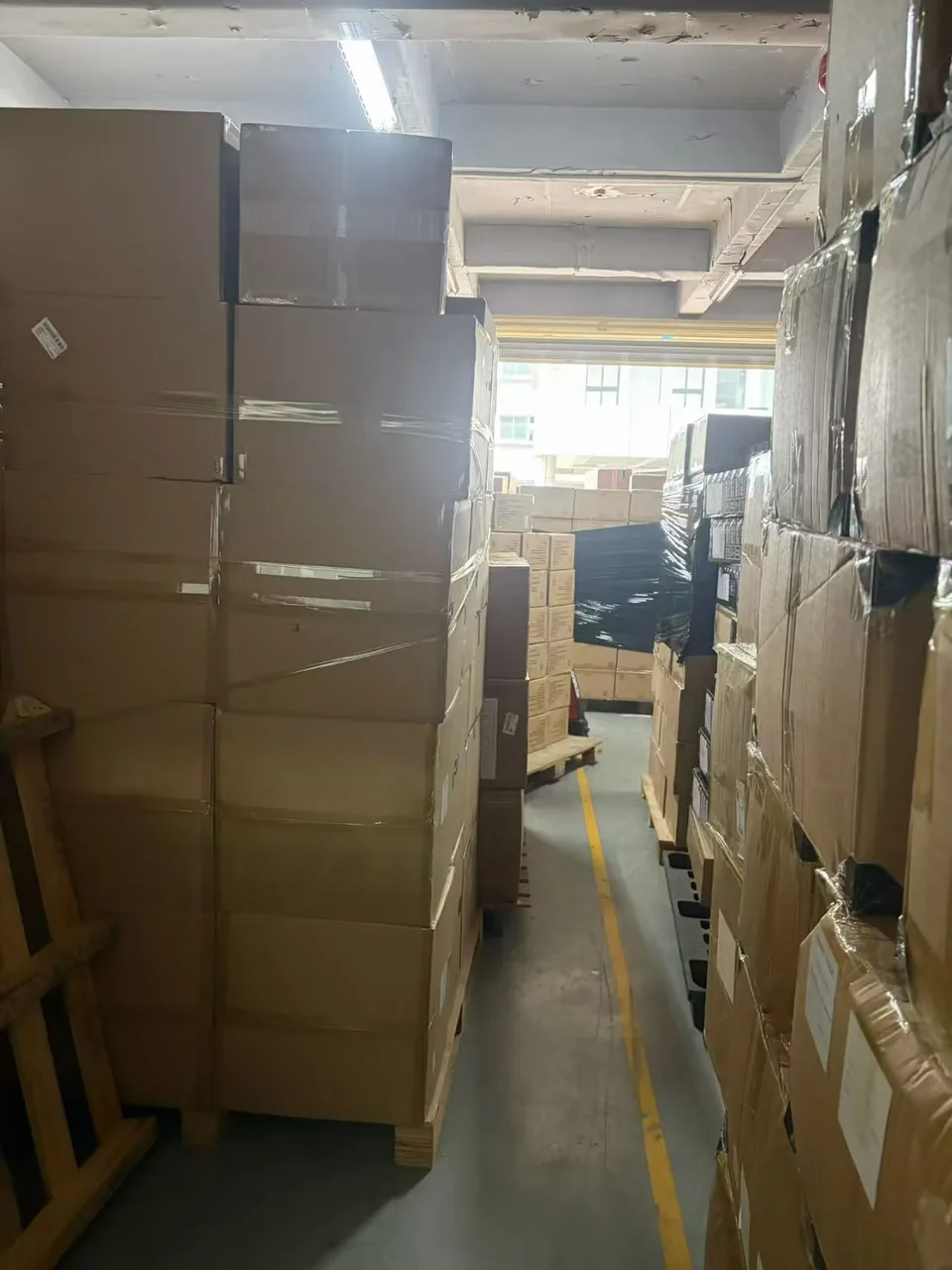
When you buy from several Chinese suppliers, you can either ship each supplier's goods separately or consolidate them at a China warehouse into one load. Consolidation usually wins on cost and simplicity: one bill of lading, one delivery, one customs entry (if DDP), and no multiple freight minimums — but it depends on timing. Start by building a supplier information sheet for each factory: address, contact, ready date, carton count, dimensions, weight and any hazard or cold-chain need. Goods are trucked or collected to the consolidation warehouse, counted and inspected against the sheet, repacked or relabeled if needed, then measured for the final chargeable volume/weight before the forwarder books the main carriage. Compare the consolidated cost (pickup + storage + handling + one freight) against shipping each supplier alone, and choose based on total CBM and how close the ready dates are. Plan the delivery date backward from the latest supplier so nothing waits expensively in storage.
- Build a supplier sheet per factory: address, ready date, cartons, dimensions, weight, special needs.
- Consolidation = pickup + storage + handling + one freight; compare against per-supplier shipping.
- Inspect and count at the warehouse against the sheet before you pay for the load.
- Final chargeable volume/weight is measured after consolidation, not estimated from suppliers.
- Plan the ship date from the latest ready date so you avoid long, costly storage.
On this page
Separate shipments versus one consolidated load
If you ship each supplier alone, you pay a freight minimum per shipment, manage several carriers and brokers, and receive several deliveries to reconcile. Consolidation pulls everything into one warehouse, then one load with one bill of lading and one delivery. For most buyers with two or more suppliers and similar ready dates, consolidation lowers cost per unit and cuts admin. It is not always right — if one supplier finishes six weeks after the others and you cannot wait, ship that one separately and consolidate the rest.
The supplier information sheet
Before anything moves, capture the same data for every factory. This sheet is what the warehouse uses to receive, verify and price the consolidation, and what prevents 'the cartons never arrived' surprises.
| Field | Why it matters |
|---|---|
| Factory address + contact | Drives pickup routing and time |
| Confirmed ready date | Sets the consolidation and ship date |
| Carton count | Affects space, handling and the B/L |
| Per-carton dimensions & weight | Drives CBM and chargeable weight |
| HS code / description | Needed for declaration and any checks |
| Special needs | Hazard, battery, cold-chain, oversize |
The warehouse process, step by step
The measurement at step 6 is the number that prices your freight, and it is taken after consolidation, not estimated from supplier figures. Suppliers often under-state carton size, so the real consolidated CBM can be higher — measuring at the warehouse protects you from a corrected, higher bill later.
- Collect: trucks or couriers bring each supplier's goods to the consolidation warehouse.
- Receive and count: staff verify carton count and condition against the supplier sheet.
- Inspect: check for damage, shortage or mismatch before the cargo is accepted.
- Store: hold goods until the latest supplier is in, within the free-storage window.
- Consolidate: repack, strap and label to one shipment; build the combined dimensions.
- Measure: weigh and cube the final load to compute the real chargeable volume/weight.
- Book and release: the forwarder books main carriage and releases the load.
Cost build-up of consolidation
A consolidated shipment's cost is the sum of several blocks. Comparing it to separate shipments means summing the same blocks for each supplier and seeing where the saving is.
| Cost block | Consolidated (one load) | Separate (per supplier) |
|---|---|---|
| Pickup / collection | One or few pooled trips | One trip per supplier |
| Warehouse handling | One receiving + consolidation | None (direct) |
| Storage | Shared, watch free window | None |
| Freight | One LCL/FCL charge | Multiple LCL minimums |
| Destination / delivery | One delivery | Multiple deliveries |
| Customs entries | One (if DDP) or few | One per shipment |
When to consolidate, when to split
- Consolidate when total CBM is meaningful (say 3+ CBM) and ready dates are within ~2 weeks.
- Consolidate when you want one delivery and one customs entry to reconcile.
- Split and ship the late supplier separately when waiting would miss your deadline.
- Split if one supplier's goods are hazardous or need cold-chain the others do not.
Planning the delivery date
Work backward from your needed arrival date. The ship date should be set by the latest supplier's ready date minus the free-storage window; any gap longer than that accrues storage fees. Communicate the latest ready date to the warehouse early so they can plan labor and space. A consolidation that sits for three weeks waiting on one factory erodes the saving, so either push that supplier's date up or ship it separately.
Common mistakes
- No supplier sheet, so the warehouse cannot verify what arrived.
- Estimating CBM from supplier numbers and being billed for the real, larger cube.
- Letting one late supplier hold the whole load past the free-storage window.
- Forgetting a hazardous or oversize item that cannot mix in a standard consolidation.
Next steps
Send us your supplier list with addresses, ready dates and carton details and we will build the consolidation plan, quote pickup plus warehouse handling plus one freight, and set the ship date from your latest ready date.